I am sharing this with our current KOMA families because commitment is one of the most important lessons we teach.
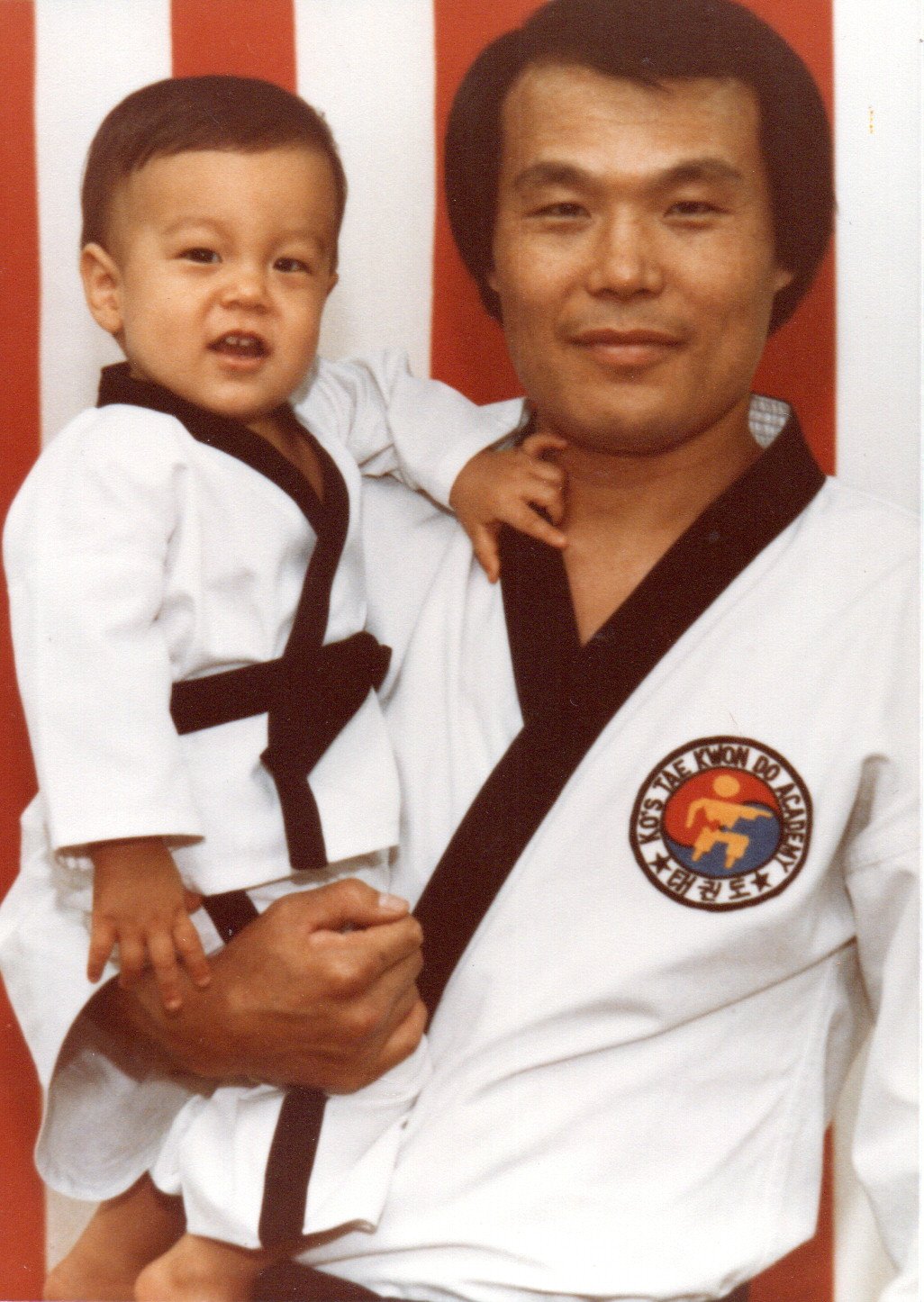
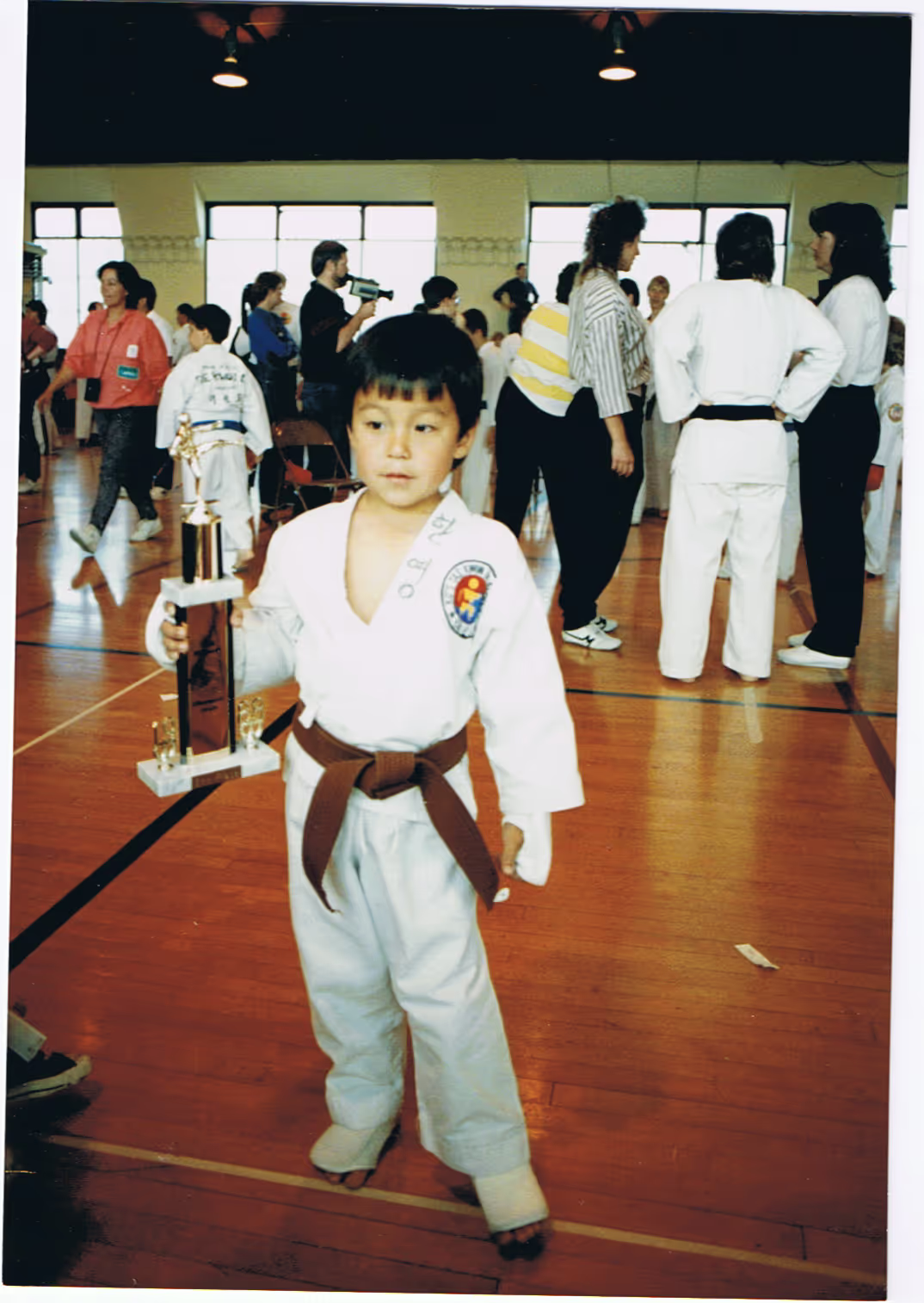
I started martial arts when I was three years old. My father was my instructor, and I grew up in his studio. Martial arts was a big part of my life.
Around the age of ten, I began to lose interest. Classes felt repetitive. They were no longer new or exciting. When I told my father I wanted to stop, he would not allow it.
I eventually quit at age twelve because my mother allowed it. I want to be clear. I am not blaming my mom. The situation was complicated. My parents divorced when I was six. My mom lived in Kansas City, and my dad lived in Overland Park. The forty minute drive made regular classes difficult.
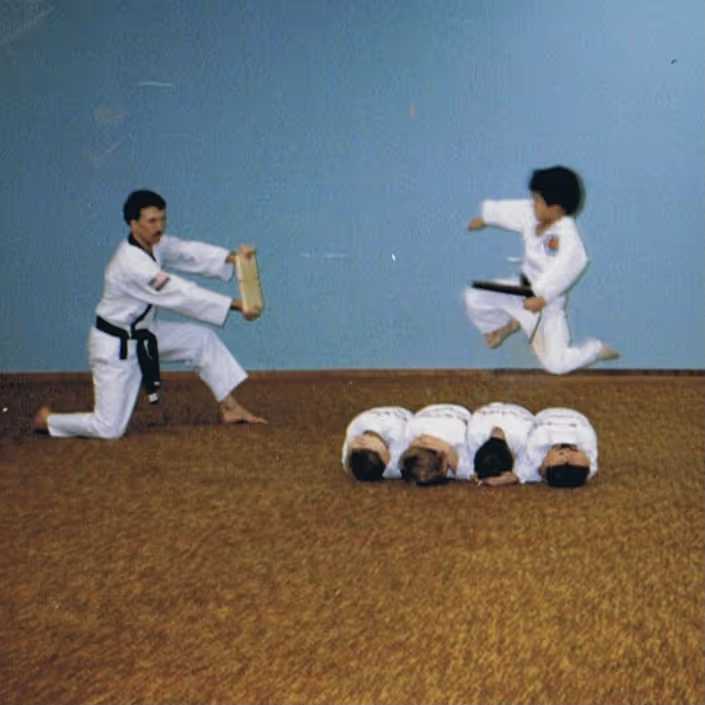
I replaced Taekwondo with basketball and track. I had trained for over ten years, and it had become part of who I was. I was a third degree black belt and respected in the studio. In sports, I was only average.
After about a year, I began to miss Taekwondo. When the sports seasons ended, I had nothing to do. I returned to training, but my flexibility was poor, and I had forgotten many of my forms. I never fully regained my flexibility.
I share this story because it teaches an important lesson. I also share it because life will give many reasons that make quitting feel like the only answer. Life will also make it hard to keep commitments. Other activities, traffic, split households, and busy schedules all get in the way.
But the truth is simple. Repetition is how mastery is built. This is true in martial arts and in life.
Over recent years, I have seen a troubling pattern. Parents allow children to quit before finishing their commitments. This teaches them that walking away is acceptable when things get uncomfortable.
That lesson carries into adulthood. It affects friendships, school, and future careers. Even worse, it teaches children they do not need to hold themselves accountable.
People often point to the results they see in my life. Building KOMA into three locations. Teaching thousands of students. Waking up early, even on weekends. Staying healthy. Publishing a book. Practicing discipline every day. I feel awkward when people compliment me. I do not see myself as anything special.
I share these examples for one reason. They show what commitment can produce. Many of our parents are even more successful, and I know they would agree that their success comes from their ability to stick to their commitments.
That is also why I wrote The Mentor Method. The book shares the framework I have used to help thousands of people improve, grow, and reach their goals.
Everything I have achieved comes from learning to do things I do not always want to do. Those are the things that lead to growth. When children do not learn this skill early, adulthood becomes much harder.
If building grit matters to you, here is what I recommend.
Commit to KOMA for at least one year. Research shared in the book Grit by Angela Duckworth highlights the importance of staying with an activity long enough to grow.
If you want to go further, commit to earning a black belt. This becomes a meaningful life milestone your child will remember forever.
Next, clearly explain the commitment to your child. Make sure they fully understand what is expected.
Finally, hold them to it. Expect complaints, resistance, and discomfort. That discomfort is part of growth for both the child and the parent.
Anything worthwhile is never easy.
This message is not about perfection. It is about staying the course together.
If you ever need support or guidance, please reach out. We are grateful to partner with you in helping your child grow.
Grab a copy of the The Mentor Method on Amazon here.